Concept: Congressos
Congresses are, as a rule, large events that have an average duration between 3 to 5 days.

WHAT ARE CONGRESSES?

Congresses are, as a rule, large events that have an average duration between 3 to 5 days. The structure of this type of event can include in its program different sessions, such as:

  • Symposia;
  • Debates;
  • Lectures;
  • Round Tables;
  • Among others.

Its objective is (in most cases) the transmission of scientific and cultural knowledge to its participants and, therefore, the organizers are typically associations, universities and institutions that aim to share knowledge.

CONGRESSES OF THE FUTURE

With the emergence of the pandemic, we observed an acceleration in the digitization of events. To respond to innovation and embrace the future, Leading has been organizing more and more events that mix the virtual and the face-to-face through digital events and hybrid events.

In addition, we have observed an increasing demand for: virtual intelligence tools to organize meetings, real-time (and remote) voting systems, augmented reality on stages, and so much more...

In the organization of congresses, the innovationis The keyword!

EXAMPLES OF CONGRESSES

An example of this kind of event is National Congress of Pediatricswhich, this year will be held between 27 and 29 October, in Braga. It will last three days and in the words of Prof. Inês Azevedo, President of the Portuguese Society of Pediatrics (SPP) will be an event “of high clinical and scientific interest” that aims to reach participants linked to the pediatric industry. Learn more at 21.spp-congressos.com.pt
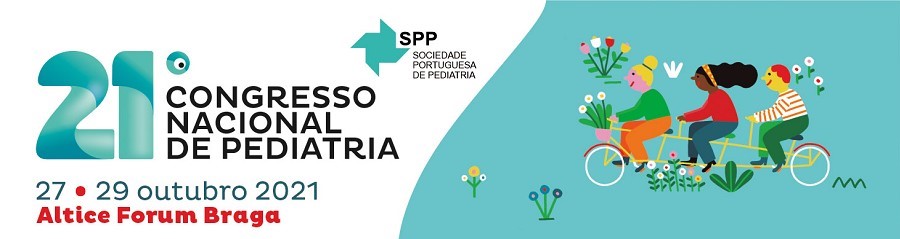
21º Congresso Nacional de Pediatria

To see more examples of Leading congresses and partners, visit our page.

Veja aqui mais notícias:

Concept: Congressos
Congresses are, as a rule, large events that have an average duration between 3 to 5 days.

WHAT ARE CONGRESSES?

Congresses are, as a rule, large events that have an average duration between 3 to 5 days. The structure of this type of event can include in its program different sessions, such as:

  • Symposia;
  • Debates;
  • Lectures;
  • Round Tables;
  • Among others.

Its objective is (in most cases) the transmission of scientific and cultural knowledge to its participants and, therefore, the organizers are typically associations, universities and institutions that aim to share knowledge.

CONGRESSES OF THE FUTURE

With the emergence of the pandemic, we observed an acceleration in the digitization of events. To respond to innovation and embrace the future, Leading has been organizing more and more events that mix the virtual and the face-to-face through digital events and hybrid events.

In addition, we have observed an increasing demand for: virtual intelligence tools to organize meetings, real-time (and remote) voting systems, augmented reality on stages, and so much more...

In the organization of congresses, the innovationis The keyword!

EXAMPLES OF CONGRESSES

An example of this kind of event is National Congress of Pediatricswhich, this year will be held between 27 and 29 October, in Braga. It will last three days and in the words of Prof. Inês Azevedo, President of the Portuguese Society of Pediatrics (SPP) will be an event “of high clinical and scientific interest” that aims to reach participants linked to the pediatric industry. Learn more at 21.spp-congressos.com.pt

21º Congresso Nacional de Pediatria

To see more examples of Leading congresses and partners, visit our page.

Veja aqui mais notícias: